
Ending up on a gap year can feel unsettling, especially when it wasn’t part of the original plan. In South Africa, many students find themselves in this position due to missed application deadlines, funding challenges, course rejections, or simply needing time to reset.
This guide is meant to replace panic with perspective. A gap year does not mean you are behind or failing. Used intentionally, it can become a period of skill-building, reflection, and preparation that makes your next step stronger. The sections below break the gap year down into practical choices so you can use this time with purpose, not pressure.
Finding yourself on a gap year is rarely as simple as it sounds. For some, it’s a planned decision. For others, it’s the result of missed application deadlines, rejection from a desired course, financial setbacks, or needing time to reset after an intense school experience.
In South Africa, gap years often come with pressure, confusion, and judgment. This guide exists to remove the panic and replace it with clarity. A gap year does not have to be wasted time. Used intentionally, it can become a period of growth, skill-building, and direction.
What a Gap Year Really Is (and What It Is Not)
A gap year is not a failure. It is not proof that you are behind, lazy, or incapable. It is simply a pause between formal academic stages, and how valuable it becomes depends entirely on how it is used.
The mistake many students make is treating a gap year as either total rest or total panic. On one extreme, time slips away without structure. On the other, pressure builds to “catch up” instantly. Both approaches create stress.
A productive gap year sits in the middle. It includes rest, reflection, and recovery, but also intention. It is a chance to understand yourself better, explore options without rushing, and build foundations that formal education often does not teach directly.
In the South African context, gap years are especially common due to application bottlenecks, funding delays, and limited spaces in competitive courses. This makes them normal, not exceptional.
What matters is not explaining your gap year to others. What matters is using it in a way that leaves you stronger, clearer, and more prepared for what comes next.
Common Reasons Students End Up on a Gap Year
Gap years are often spoken about as if they are always planned, strategic choices. In reality, many students arrive at a gap year through circumstances they did not expect or fully control.
One common reason is not getting accepted into a desired course. Competitive programmes, limited spaces, and high entry requirements mean that many capable students are turned away each year. This can feel personal, but it is usually structural rather than individual failure.
Another reason is missing application deadlines. The university application process in South Africa is complex and easy to underestimate, especially for first-generation students. Delays in documents, unclear guidance, or lack of support can result in missed opportunities, even for motivated learners.
Funding challenges also play a major role. NSFAS delays, rejected applications, or sudden changes in family finances can make immediate study impossible. For many students, a gap year becomes a practical necessity rather than a choice.
Some students take a gap year because of burnout or emotional exhaustion. After years of academic pressure, personal stress, or family responsibility, jumping straight into university can feel overwhelming. Stepping back can be a form of recovery, not avoidance.
There are also students who choose a gap year intentionally because they are uncertain about what to study. Rather than rushing into a course they may later regret, they take time to explore interests, skills, and options.
All of these reasons are valid. A gap year does not have a single story. What matters is recognising why you are in this position, because that understanding shapes how you should use the time ahead.
How to Use a Gap Year Intentionally
An intentional gap year is not about doing everything at once. It’s about choosing a few meaningful areas to focus on and giving them consistent attention over time.
The first step is creating basic structure. Without school timetables or lecture schedules, days can blur together. A simple weekly routine that includes learning time, rest, physical activity, and personal responsibilities creates stability. Structure reduces anxiety and prevents the year from disappearing unnoticed.
Next is skill-building. A gap year is an opportunity to develop practical skills that support future study or work. This could include improving digital literacy, learning basic financial management, strengthening writing or communication skills, or gaining familiarity with tools used in modern workplaces. Skills compound, even when learned slowly.
Another important use of a gap year is exploration without pressure. This does not mean drifting aimlessly. It means researching courses, speaking to people in different fields, volunteering, shadowing professionals where possible, or taking short courses to test interests. Exposure helps clarify direction better than guessing.
Intentional gap years also include earning experience, not just money. Part-time work, internships, volunteering, or community involvement teach responsibility, time management, and interpersonal skills. These experiences often matter as much as formal qualifications later on.
Reflection should not be ignored. Taking time to think about what went wrong previously, what worked, and what needs to change builds self-awareness. Journaling, goal-setting, or simply reviewing progress monthly helps keep the year purposeful.
An intentional gap year is not about perfection. Some weeks will be productive, others less so. What matters is having direction, adjusting when necessary, and staying engaged with your growth.
What to Avoid During a Gap Year
Just as important as what to do during a gap year is what to avoid. Certain patterns quietly turn gap years into periods of regret rather than growth.
One common mistake is treating the gap year as endless rest. Rest is necessary, especially after burnout, but rest without boundaries slowly becomes avoidance. Without some form of routine or responsibility, motivation fades and anxiety often increases.
Another risk is isolation. With friends moving on to university or work, it’s easy to withdraw socially. Long periods of isolation can affect confidence, mental health, and self-belief. Staying connected through meaningful relationships, even in small ways, matters.
Many students also fall into the trap of constant comparison. Watching peers progress while you feel paused can create pressure and self-doubt. Social media intensifies this feeling. Comparing timelines rarely provides useful information and often undermines confidence.
Avoid spending the year waiting passively. Waiting for acceptance letters, funding outcomes, or “the right moment” without doing anything in the meantime wastes valuable time. Even small actions taken while waiting build momentum.
Finally, avoid tying your entire identity to the gap year. You are not “behind” or “stuck.” A gap year is a phase, not a label. Treating it as a temporary season of preparation rather than a defining failure protects your self-worth.
Being aware of these pitfalls helps you navigate the year with intention rather than regret.
What to Focus on During a Gap Year (Skills, Tools, and Learning)
A gap year becomes valuable when it builds skills that make your next step easier. You don’t need to master everything or chase every opportunity. A few focused areas, developed steadily, are enough to change your trajectory.
One important area to focus on is learning how to learn. Many students leave school without strong independent learning habits. A gap year allows you to practise reading with intention, taking notes that make sense to you, and completing tasks without constant supervision. These skills matter more at university than raw intelligence.
Digital skills are another strong focus. Comfort with basic technology, online research, document creation, spreadsheets, and communication tools makes academic and professional life smoother. You don’t need advanced technical ability. You need functional confidence. Being able to organise files, manage email, and use common platforms reduces friction everywhere else.
This is also a good time to explore modern tools, including AI, responsibly. Tools that help with planning, summarising information, generating practice questions, or structuring ideas can support learning when used thoughtfully. The goal is not shortcuts, but support. Used well, these tools can make future study more manageable and less intimidating.
Financial awareness is another skill worth developing. Learning how to track spending, understand basic budgeting, and make realistic financial decisions prepares you for student life far more than theory. Even small habits built now carry forward.
A gap year can also be used to strengthen communication skills. Writing clearly, speaking confidently, and learning how to explain ideas matter in every field. Reading widely, journaling, and having thoughtful conversations help develop these skills naturally over time.
Finally, focus on personal discipline. Discipline is not about strict schedules or harsh self-control. It’s about doing small things consistently, even when motivation is low. Simple routines, daily responsibilities, and keeping commitments build self-trust.
You don’t need certificates for everything you learn during a gap year. What matters is competence, confidence, and readiness. When learning is approached intentionally, the gap year becomes preparation rather than delay.
Preparing to Reapply or Move Forward After a Gap Year
As a gap year comes to an end, uncertainty often returns. Questions about reapplying, changing direction, or committing to a new path can feel heavy. This is normal. The goal at this stage is not to have absolute certainty, but to move forward with more clarity than before.
If you plan to reapply to university, preparation matters. This includes understanding application timelines early, gathering required documents in advance, and researching multiple institutions rather than relying on one option. Many students repeat the mistake of applying late or narrowly. A gap year provides the time to approach this process more carefully.
Use what you’ve learned during the year to reassess your choices. Interests evolve. Strengths become clearer. Exposure to different skills or environments may confirm your original plan or reveal a better alternative. Changing direction after reflection is not failure; it is informed decision-making.
For students moving toward college, vocational training, or alternative education paths, the same principle applies. Research requirements, costs, accreditation, and outcomes. Speak to people who have completed those routes where possible. Understanding what lies ahead reduces anxiety and unrealistic expectations.
Some students choose to move directly into work or entrepreneurship after a gap year. If this is your path, focus on sustainability rather than urgency. Entry-level work, apprenticeships, or structured learning alongside work can build experience while keeping long-term options open.
Regardless of the direction you choose, the most important preparation is mental readiness. The purpose of a gap year is not to escape responsibility, but to return with stronger habits, clearer thinking, and greater self-awareness. Carrying forward the routines, skills, and discipline you built matters more than the label of where you go next.
A gap year ends, but its value continues if the lessons are applied. Moving forward does not require certainty. It requires intention, preparation, and the willingness to commit to the next reasonable step.
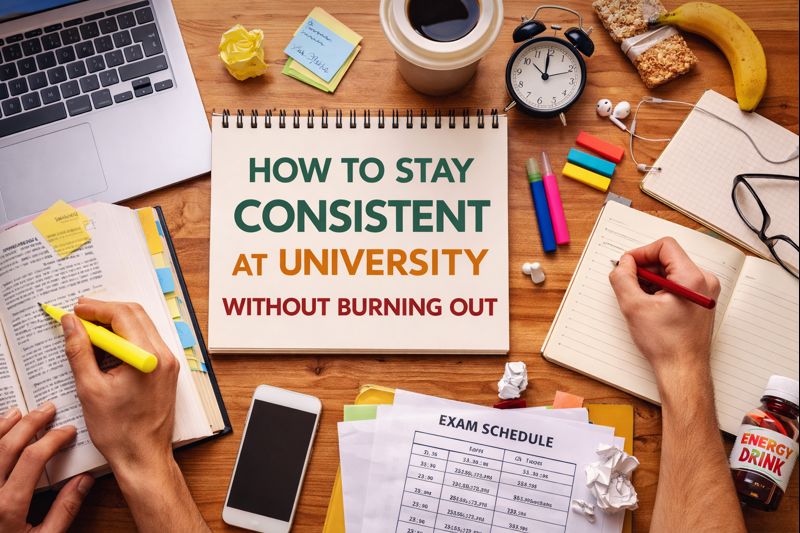
Building consistency before returning to university matters. This guide on staying consistent at university without burning out explains how to build sustainable study habits.

Pingback: The Ultimate Student Survival Guide in South Africa - studentpathsa.co.za
Pingback: How to Stay Consistent at University Without Burning Out - studentpathsa.co.za
Pingback: Ways Students Can Make Money While Studying in South Africa - studentpathsa.co.za